How Section 8 Rent Payments Work in St. Louis: A Founder’s Guide
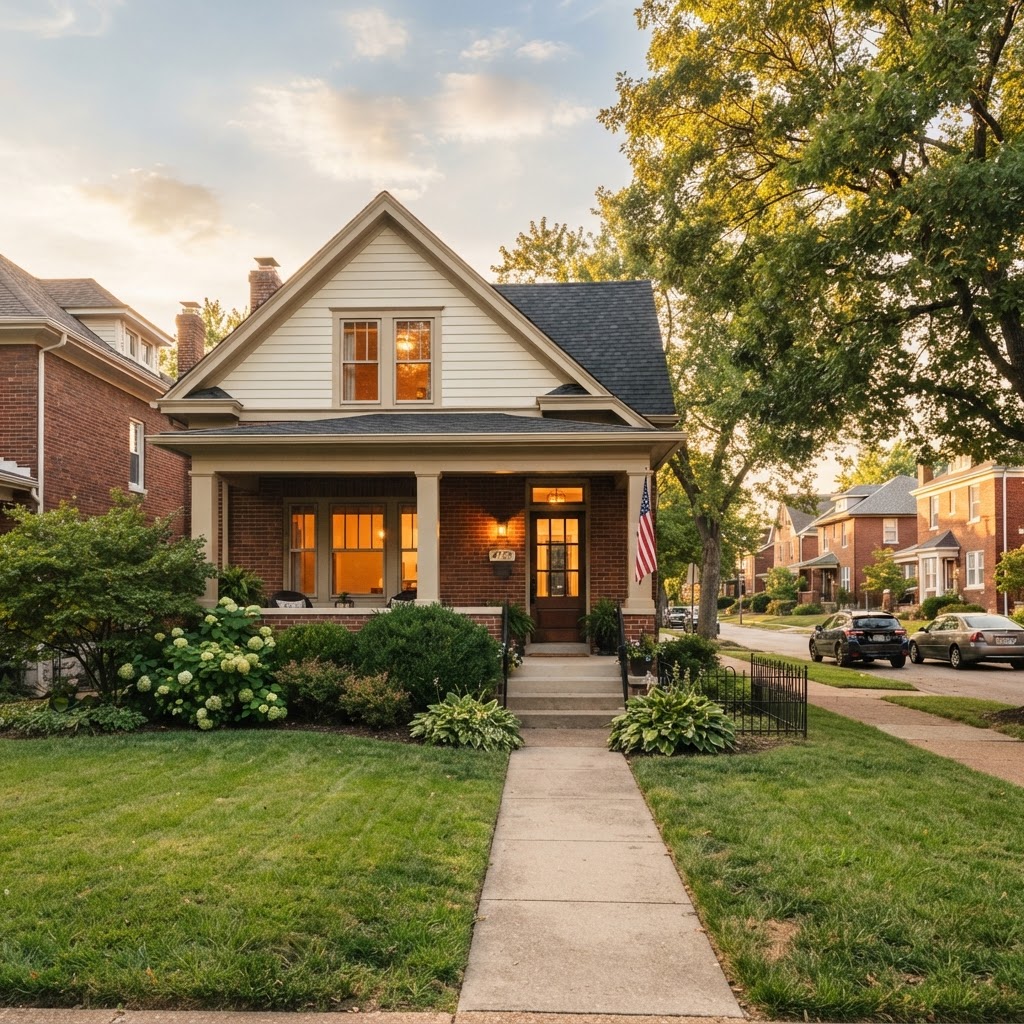
Stop chasing rent. Learn how the St. Louis Housing Authority automates your cash flow and why Section 8 is the ultimate passive income play for founders.
The Reality of Passive Income for Founders
As a founder or executive, your time is your most expensive asset. You aren't looking for a second job as a landlord. You are looking for an asset class that functions like a SaaS product: predictable, recurring, and scalable.
Most real estate strategies fail this test because they rely on the "tenant-chasing" model—waiting for a check, dealing with late payments, and managing turnover. In St. Louis, the Section 8 Housing Choice Voucher program flips this model. Instead of chasing tenants, you are dealing with a government-backed payment structure that prioritizes the landlord.
How the Payment Flow Actually Works
When you rent to a Section 8 voucher holder in St. Louis, the rent is split into two portions: the tenant’s share and the Housing Assistance Payment (HAP).
- The Tenant Portion: The tenant pays a small, income-based percentage of the rent directly to you.
- The HAP Portion: The St. Louis Housing Authority (SLHA) or the Housing Authority of St. Louis County pays the remainder directly to your bank account via ACH.
This is the "passive" part of the equation. Because the government is responsible for the bulk of the rent, you aren't waiting on a tenant's paycheck to clear. The HAP is consistent, reliable, and deposited like clockwork.
The Math: Why St. Louis Works for Analytical Investors
We don't do hype. We do math. In St. Louis, the entry price for quality, rentable assets is significantly lower than in coastal markets, which allows for aggressive cash-on-cash returns.
Typical Deal Profile
- Purchase Price: $80,000 – $150,000
- Monthly Rent: $1,000 – $1,500
- Target Cash-on-Cash Return: 20%+
At an $80,000 price point, a $950/month rent provides a solid foundation. When you factor in the stability of the HAP, you are looking at an asset that covers its own debt service and expenses while providing a clean, monthly net profit.
Why the Housing Authority Pays You First
It is a common misconception that Section 8 is "risky." In reality, the program is designed to keep tenants housed, which means the housing authority is highly motivated to ensure the landlord is paid.
- Direct Deposit: Payments are automated, removing the friction of manual rent collection.
- Security Deposit Assistance: The SLHA has programs to assist with security deposits, reducing the barrier to entry for tenants and ensuring you are protected from day one.
- Damage Reimbursement: In specific cases, the housing authority offers programs to help cover damages that exceed the security deposit, providing an extra layer of institutional protection.
How to Get Started Without the Headache
If you are ready to deploy capital, you need to focus on three things: market selection, HQS (Housing Quality Standards) compliance, and property management.
- Identify the Zone: Not every neighborhood in St. Louis is equal. Focus on areas with high voucher demand and stable housing stock.
- Pass the Inspection: The property must pass an HQS inspection. This is a binary pass/fail. If it passes, the HAP contract is executed.
- Automate the Management: Use a property manager who specializes in Section 8. They handle the paperwork, the inspections, and the communication with the housing authority so you don't have to.
Frequently Asked Questions
Q: What happens if the tenant stops paying their portion? A: The tenant is contractually obligated to pay their share. If they fail to do so, you follow the standard legal eviction process. However, because the majority of the rent is covered by the HAP, your cash flow is rarely interrupted entirely.
Q: Is the paperwork difficult? A: It is administrative, not difficult. A competent property manager handles the HAP contract, the annual recertifications, and the inspection scheduling. You simply review the monthly statements.
Q: How do I ensure I get a 20% return? A: It comes down to the purchase price and the expense ratio. By buying in the $50K-$150K range and keeping maintenance costs low through proactive management, the math works. We focus on properties that are already compliant or require minimal, predictable CapEx.
Q: Can I lose my Section 8 status? A: As long as you maintain the property to HQS standards, you remain in the program. It is a business relationship with the housing authority, and they value landlords who provide safe, stable housing.
Ready to Build Passive Cash Flow?
If you are a founder or executive tired of the volatility of the markets and looking for a tangible, cash-flowing asset, let’s look at the numbers. I don't sell courses; I help people build portfolios that actually work.
[Book a strategy call here] to discuss your investment goals and see if St. Louis Section 8 real estate is the right fit for your portfolio.
Want numbers like these working for you?
Book a strategy call and I'll map out a Section 8 rental plan around your capital and timeline.
See If You QualifyWant the framework behind this post?
Get my free 5-step cash flow framework — the exact checklist I use to evaluate every deal before I commit a dollar.