St. Louis Section 8 HQS Inspection Checklist for Founders
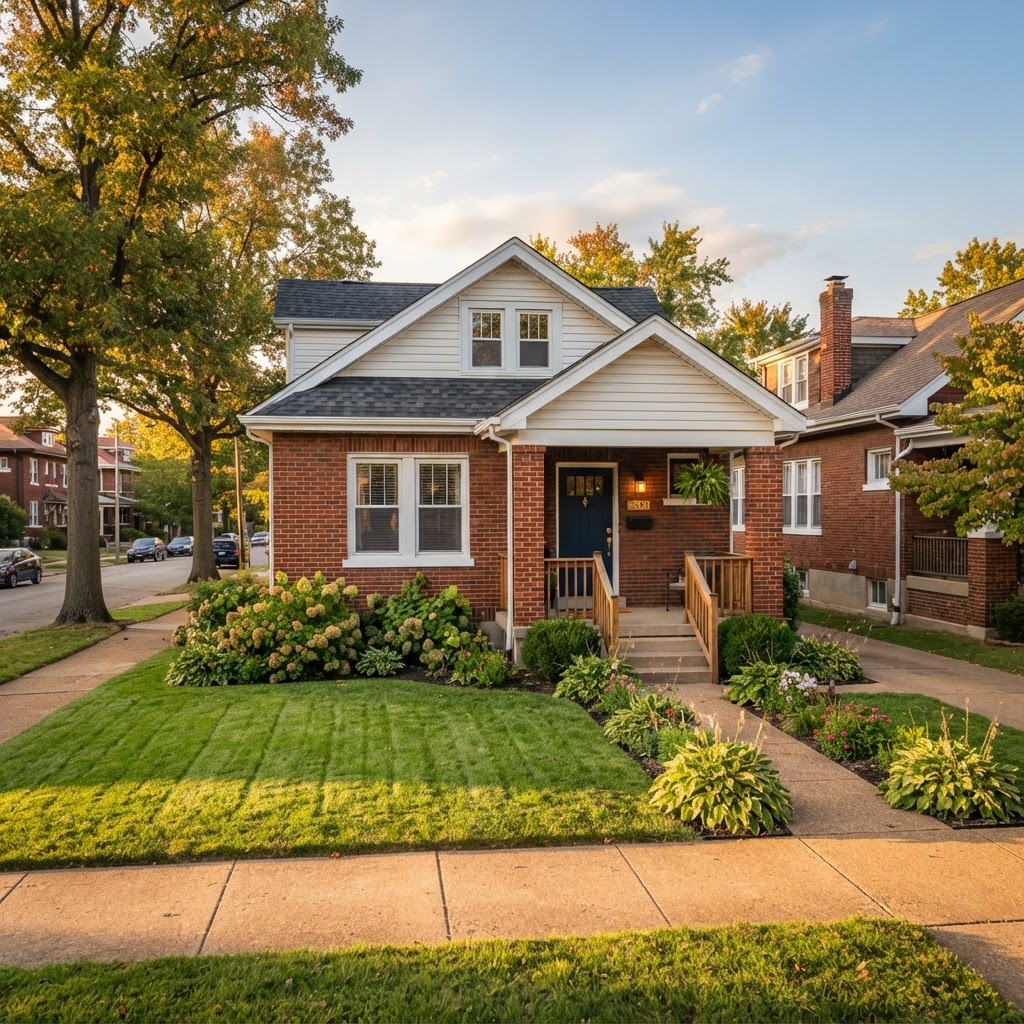
A technical breakdown of HUD’s Housing Quality Standards for St. Louis rentals, designed for SaaS founders seeking 20%+ cash-on-cash returns.
For a SaaS executive or founder, the appeal of Section 8 real estate investing in St. Louis is simple: it turns a variable-income asset into a predictable, system-driven cash flow machine. When the St. Louis Housing Authority (SLHA) deposits rent directly into your account, the 'tenant-chasing' risk is effectively mitigated. However, to unlock this guaranteed revenue stream, your property must pass the Housing Quality Standards (HQS) inspection. Analytical investors view the HQS inspection not as a bureaucratic hurdle, but as a quality control gate. If you treat your rental portfolio like a software product, the HQS checklist is your final QA test before deployment. In the St. Louis market, where you can acquire properties for $50,000 to $250,000 and see rents between $1,000 and $1,500 per unit, passing this inspection on the first try is critical for maintaining your cash-on-cash return targets.
The Logic of HQS for the Analytical Investor
The HQS inspection is a federally mandated process to ensure that any unit receiving taxpayer-funded subsidies is 'decent, safe, and sanitary.' For a time-poor founder, the HQS process actually de-risks the investment. It forces a level of maintenance that prevents 'deferred maintenance debt' from accumulating. In St. Louis, the SLHA (located at 3520 Page Blvd) manages these inspections for city properties. By adhering to a strict checklist, you ensure the longevity of the asset and the safety of the tenant, which reduces long-term churn and vacancy—the two biggest killers of passive income for founders.
The St. Louis Section 8 Math: A Case Study
Before diving into the technical checklist, let's look at the numbers. A typical acquisition in a solid St. Louis neighborhood might look like this:
- Purchase Price: $125,000
- Rehab/HQS Prep: $25,000
- Total Cash Invested (All-in): $150,000
- SLHA Monthly Rent (3-Bedroom): $1,450
- Annual Gross Income: $17,400
- Operating Expenses (Taxes, Insurance, PM, Maintenance): $6,100
- Net Operating Income (NOI): $11,300
If you finance this with 25% down ($37,500) plus the $25,000 rehab, your total cash-in is $62,500. After debt service, a net cash flow of $1,000/month is achievable, resulting in a cash-on-cash return exceeding 19%. If you optimize the acquisition and rehab, hitting 20%+ is the standard operating procedure for our clients. But this math only works if the unit is occupied and the rent is flowing. That starts with the HQS inspection.
The HQS Inspection Checklist: Core Requirements
The SLHA inspector will evaluate the property across several categories. As a founder, you should delegate this to your property manager, but you must understand the 'fail' points that delay your 'Go-Live' date.
1. Exterior and Site Standards
The exterior is the first thing the inspector sees. In St. Louis, older brick homes often face issues with tuckpointing and paint.
- Foundation and Roof: Must be structurally sound. No visible leaks or significant cracks.
- Paint: For any property built before 1978, there can be zero peeling, chipping, or cracking paint on the exterior. This is a non-negotiable safety fail due to lead-based paint risks.
- Gutters and Downspouts: Must be attached and functional, directing water away from the foundation.
- Stairs and Rails: Any porch or set of stairs with four or more risers must have a secure handrail.
2. Interior Living Spaces
- Smoke and CO Detectors: You must have a working smoke detector on every level of the home, including the basement, and one in or immediately outside every sleeping area. Carbon monoxide detectors are required near fuel-burning appliances.
- Windows: Every 'habitable' room must have at least one window that opens and stays open without the use of a prop (like a stick). All ground-level windows must have functional locks.
- Flooring: No tripping hazards. Carpet must not be frayed, and vinyl or tile must not be cracked or lifting.
- Ceilings and Walls: No large cracks, bulging plaster, or—most importantly—peeling paint.
3. Kitchen and Bathroom Requirements
These are the high-traffic areas where most HQS fails occur.
- Kitchen: Must have a permanent stove and refrigerator in working condition. The sink must have hot and cold running water with a functional trap.
- Bathroom: Must have a private toilet, a washbasin, and a tub or shower. There must be a window that opens or a functional exhaust fan for ventilation.
- Electrical: All outlets within six feet of a water source (sinks, tubs) must be GFCI-protected. This is a common fail point in older St. Louis renovations.
4. Mechanical and Electrical Systems
- HVAC: The heating system must be capable of maintaining a temperature of 68 degrees in all living areas. In St. Louis, this means your furnace must be serviced and functional before the winter inspection cycle.
- Water Heater: Must have a Temperature and Pressure (T&P) relief valve with a discharge pipe that extends to within six inches of the floor.
- Electrical Panel: No open slots in the breaker box. All wiring must be covered; no exposed 'romex' or wire nuts.
Top 5 Reasons St. Louis Landlords Fail HQS
In our experience managing portfolios for SaaS leaders, these are the five most common 'bugs' in the system:
- Peeling Paint: Even a small flake on a window sill will trigger a fail.
- Double-Cylinder Deadbolts: These require a key to exit from the inside. They are illegal under HQS because they are a fire hazard.
- Loose Handrails: If the inspector can wiggle the rail, you fail.
- Window Locks: Missing or broken latches on the first floor.
- Utilities Not On: The inspector cannot test the stove, water, or furnace if the utilities aren't active. This is a wasted trip and a delay in your cash flow.
The SLHA Process: Timeline to Cash Flow
Once you submit the Request for Tenancy Approval (RFTA), the SLHA will typically schedule an inspection within 7 to 14 days. If you pass, the lease can be signed immediately. If you fail, you are usually given 10 to 30 days to make repairs. For a founder earning $300K+, your time is better spent on your business than fixing a leaky faucet. This is why we recommend a 'pre-inspection' by your property management team to ensure a 100% pass rate on the official visit.
FAQ: Section 8 Real Estate Investing in St. Louis
Q: Does the St. Louis Housing Authority pay for tenant damages? No. The SLHA pays the rent subsidy. Damages are handled via the security deposit you collect from the tenant, just like a market-rate rental. However, the HQS inspection ensures the property starts in top condition.
Q: How often are these inspections conducted? After the initial move-in inspection, the SLHA typically conducts an annual or biennial inspection to ensure the property is being maintained. This acts as a free 'health check' for your asset.
Q: Can I increase the rent after passing HQS? Yes. You can request a rent increase annually, subject to the SLHA’s 'rent reasonableness' test, which compares your unit to similar market-rate units in the same St. Louis zip code.
Q: Is Section 8 really 'passive' for a busy founder? It is passive if you have the right systems in place. By focusing on HQS-compliant properties and professional management, you remove the volatility of traditional landlording. You are essentially trading a small amount of upfront compliance for a high-yield, government-backed annuity.
Build Your Passive Cash Flow Engine
If you are a SaaS executive or founder looking to diversify your high income into a tangible asset class that yields 20%+ cash-on-cash returns, St. Louis Section 8 is the most logical path. The HQS checklist is simply the technical documentation for your new revenue stream.
If you want to see the specific math on current St. Louis opportunities or need help navigating the SLHA requirements, let’s talk. We help founders build these portfolios without the time-sink of traditional real estate.
Book a strategy call with Collin Mitchell to discuss your cash flow goals.
Want numbers like these working for you?
Book a strategy call and I'll map out a Section 8 rental plan around your capital and timeline.
See If You QualifyWant the framework behind this post?
Get my free 5-step cash flow framework — the exact checklist I use to evaluate every deal before I commit a dollar.